Updated 2026-07-30 · Author: Michael Torres, iGaming Industry Analyst
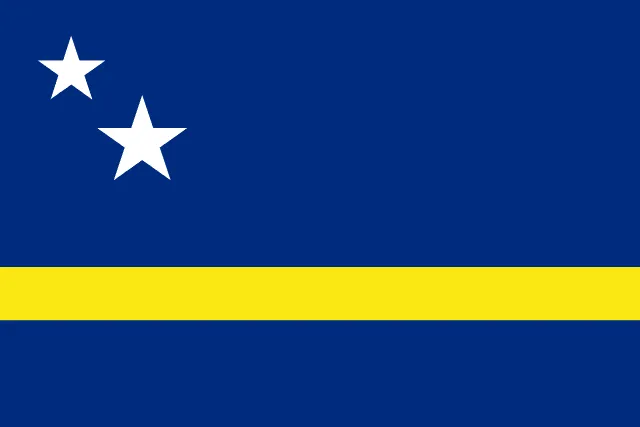 Curaçao rebuilt its gaming regime in 2024 and 2025; the licence you get today is not the one your competitors bought five years ago.
A Curaçao casino license is now a direct authorization from a single national regulator, the Curaçao Gaming Authority, issued under the LOK reform that scrapped the old master-and-sub-license system. For an operator picking a jurisdiction, that is the headline that changes everything. You no longer buy a sub-license from a private master holder. You apply to the state, you land on a public register, and you accept real local-presence obligations in exchange for a cheaper, faster route to market than any EU regulator offers. This page walks through what the licence is, what the reform actually changed, what it costs, how long it takes, which markets it opens, and where it falls short. If you want the wider jurisdiction roster and how we score licence fit, start at the licensing guide.
Key facts: Curaçao casino license (2026)
- Regulator: Curaçao Gaming Authority (CGA), successor to the Gaming Control Board. Direct B2C and B2B licences, published on a public register.
- Legal basis: the LOK (Landsverordening op de Kansspelen, the National Ordinance on Games of Chance), in force since 24 December 2024. The old master-license system was abolished on 1 January 2025.
- Cost: application near €4,592 (non-refundable); B2C annual fee around €47,450, split between a treasury licence fee and a CGA supervisory fee. Verify current figures with the regulator.
- Timeline: typically weeks to a few months once your file is clean, versus four to six months for an EU licence.
- Market reach: .com and emerging markets. Not valid for the EU, UK or US regulated markets.
- Compliance shift: genuine local substance (office, resident director, local staff) is mandatory from 1 January 2026.
What is the Curaçao licence, and who now regulates it?
The Curaçao licence is an offshore online gambling authorization issued directly by the Curaçao Gaming Authority, and a single licence covers casino, sportsbook and lottery verticals. That “one licence, many verticals” structure is a big part of why the jurisdiction stayed popular for two decades. You do not stack separate permits for slots, live tables and betting the way some regulators demand.
The regulator itself is the important update. Curaçao gaming used to run through the Gaming Control Board, which delegated day-to-day issuance to a handful of private master-license holders. Those masters sold sub-licences to operators and pocketed the margin. Under the reform, the state authority rebranded and expanded into the Curaçao Gaming Authority (CGA), and it now issues every licence itself. The CGA runs its own applicant vetting, maintains a public register of licensees, conducts ultimate-beneficial-owner checks, and holds enforcement powers up to suspension and revocation. For an operator, the practical change is that you deal with the government, not a middleman, and your licence status is publicly verifiable.
The LOK reform: what changed from the master/sub-license model
The LOK ended a system where private master holders sold sub-licences and replaced it with direct state licensing, mandatory local substance and real oversight, and the transition ran on a hard calendar through 2024 and 2025. If you only remember one section of this page, make it this one, because most older guides still describe a regime that no longer exists.
Here is the timeline as it actually played out. The LOK, Curaçao’s National Ordinance on Games of Chance, came into force on 24 December 2024. The old master-license system was formally abolished on 1 January 2025. Legacy operators ran on provisional or transitional permissions through 2025, and the interim “orange seal” status expired permanently on 15 October 2025. From 1 January 2026, genuine local presence became mandatory rather than optional.
That last point is where the reform bites. The old sub-license model let operators run Curaçao as a pure paper structure with no real footprint on the island. The LOK requires a physical office in Curaçao (a virtual office does not count), a local managing director who is a Curaçao resident or a locally managed corporate entity, and at least one full-time key person on the ground, with headcount scaling toward three local staff by the fifth year. Enforcement of the higher staffing tiers has reportedly been pushed to 1 April 2027, so confirm the current schedule with the regulator, but the direction is fixed: substance is no longer negotiable. Some operators who treated the island as a mailbox have left for lower-obligation jurisdictions in response. The trade the CGA is making is deliberate. It is accepting a smaller, more accountable licensee base in exchange for a better reputation with banks and payment processors.
Cost breakdown
Budget roughly €4,592 to apply and about €47,450 a year to hold a B2C licence, plus company formation and local-substance costs that the fee schedule does not show. The published government fees are modest by iGaming standards; the real 2026 cost is the local presence the LOK now demands. Treat every number below as a planning figure and confirm the live schedule with the CGA before you commit.
[TABLE: Curaçao licence cost, 2026 planning figures]
| Cost item | Approximate amount | Notes |
|---|---|---|
| Application fee | €4,592 | One-off, non-refundable, B2C or B2B |
| B2C annual licence fee | €24,490 | Paid to the National Treasury |
| B2C annual supervisory fee | €22,960 | Paid to the CGA; together ~€47,450/yr |
| B2B annual supervisory fee | ~€24,490 | Single annual fee for suppliers |
| Local office + resident director | Varies | Mandatory from 2026; ongoing cost |
| AML/KYC and compliance setup | Varies | Typically the largest first-year line |
Industry advisers commonly quote a first-year all-in figure in the €55,000 to €80,000 range once you add company formation, the local office, a resident managing director and compliance tooling. That spread depends heavily on how much local substance you build, so treat it as a band rather than a quote. For a full model of what a launch actually costs across every line item, see white-label casino cost and run your own numbers in the break-even calculator.
Process and timeline
Expect weeks to a few months from a clean application to a granted licence, running through the CGA’s online portal rather than a master-license broker. The speed is real, but it assumes your corporate and compliance documents are in order before you file. Gaps are what stretch a two-month grant into a six-month one.
The core steps:
- Incorporate in Curaçao and arrange the local substance the LOK requires: a registered entity, a physical office and a resident managing director.
- Prepare the compliance file: UBO disclosures, source-of-funds documentation, an AML/CFT policy, responsible-gaming procedures and technical descriptions of your platform and RNG.
- Submit through the CGA portal with the application fee. The authority runs a two-phase assessment covering fit-and-proper checks on owners and a review of your operational setup.
- Respond to information requests. Most delays happen here, when the regulator asks for documents the applicant did not prepare.
- Grant and publication. Once both phases clear, the licence issues and your entity appears on the public register.
Many operators run this through a licensing agent or platform partner rather than filing alone, which is where the provider tie-in later in this guide matters. For the operational side of standing up the brand around the licence, see how to launch an online casino.
Which markets can you legally target?
Curaçao is a .com and emerging-markets licence: strong reach across Latin America, Asia and parts of Africa, and firmly off-limits in the EU, UK and US regulated markets. Getting this wrong is the single most expensive mistake a new operator makes, so be precise about it.
A Curaçao licence does not confer EU or EEA standing. It is not recognised by regulated markets that run their own licensing regimes, which includes the United Kingdom, most EU member states, and the United States. Serving players in those markets on a Curaçao licence alone means operating illegally there, and payment processors and regulators treat it accordingly. Where Curaçao works is the wide field of markets that either permit offshore-licensed .com operators or lack a domestic online regime. That is a large addressable audience, and it is why the jurisdiction remains a default first licence for startups. It also pairs naturally with a crypto-first product, since Curaçao does not gate cryptocurrency acceptance behind a separate approval the way stricter regulators do. For operators eyeing a specific high-growth market, the mechanics of localising into one are covered in launching a casino in Brazil.
Taxes and ongoing compliance
Curaçao’s effective operator tax burden is low, historically routed through the island’s E-Zone regime at roughly 2% for typical small and mid-sized operators, but the ongoing compliance load rose sharply under the LOK. Tax was never the reason operators left Curaçao, and it still is not.
The heavier obligations now sit on the compliance side. Holding the licence means maintaining the local office and staff, running functioning AML/CFT and KYC programs, keeping responsible-gaming controls live, and submitting to CGA supervision and reporting on a fixed calendar. Annual fees fall due early each year, so build that into cash-flow planning. The 15% global minimum top-up tax that arrived in 2025 only affects multinational groups above €750 million in consolidated revenue, which is not the operator reading this page. For how licensing decisions ripple through the wider control environment, see the compliance stack guide.
Pros and cons ⚠️
Curaçao’s pitch is speed, low cost, multi-vertical coverage and crypto-friendliness; the trade-offs are limited market access, an entry-tier reputation and, now, real local-substance cost. Weigh both sides against your actual target market before you file.
Pros
- Fast grant, often weeks to a few months.
- Low government fees relative to any EU regulator.
- One licence covers casino, sportsbook and lottery.
- Crypto-friendly by default, with no separate approval gate.
- Direct state licensing and a public register improve verifiability post-reform.
Cons ⚠️
- No EU, UK or US market access.
- Entry-tier reputation with conservative banks, though improving under the LOK.
- Mandatory local substance from 2026 adds real ongoing cost.
- Ongoing regulatory transition has left some applicants in provisional limbo with uncertain end dates.
Curaçao vs Malta vs Anjouan
Curaçao sits in the middle: cheaper and lighter than Malta, more substantial and better-regarded than Anjouan, and the right pick depends on whether you optimise for reputation, cost or speed. Malta buys you EU standing, banking trust and tier-1 studio access at a higher price and a slower timeline. Anjouan is the rock-bottom option, with a flat fee, no local-staff requirement and no gaming-revenue tax, aimed at operators who want the cheapest possible paper licence. Curaçao now asks for genuine local presence, which pushes it upmarket of Anjouan while keeping it well below Malta on cost.
For the full head-to-head on the two most common comparisons operators run, see Curaçao vs MGA, the dedicated Malta casino license guide, and the Anjouan casino license breakdown.
Platforms that operate on a Curaçao licence
Several platforms in our ranking hold Curaçao licences or actively support operators launching under one, which matters because filing through an experienced partner is what keeps a two-month grant from becoming a six-month one. These are the names worth a closer look for a Curaçao build.
SoftGamings holds a fresh Curaçao Gaming Control Board licence (number OGL/2024/379/0174, granted June 2024) and offers hands-on licensing help, which suits operators who want a partner that has been through the current process itself. SoftSwiss carries deep Curaçao heritage and a strong crypto orientation, a natural fit for a crypto-first .com brand. Slotegrator works with a Curaçao sub-license structure alongside Anjouan coverage, giving operators flexibility across low-cost offshore jurisdictions. Gamingtec lists Curaçao among the jurisdictions it supports, useful for a multi-market operator.
To weigh these platforms side by side on licensing, crypto, sportsbook and cost, use the comparison matrix, and see how we grade each one in our methodology.
Frequently asked questions
Is a Curaçao casino license still worth it in 2026?
Yes, for the right operator. For a crypto-first or emerging-markets brand that needs a fast, affordable licence covering multiple verticals, Curaçao remains one of the best-value options available. It is not the pick for anyone targeting EU, UK or US players, and the new local-substance rules mean it is no longer the cheapest paper structure on the market.
Who regulates online casinos in Curaçao now?
The Curaçao Gaming Authority (CGA). It replaced the old Gaming Control Board and the private master-license holders under the LOK reform. The CGA issues every licence directly, vets applicants, maintains a public register and enforces compliance, up to suspension and revocation.
How much does a Curaçao casino license cost?
Plan for an application fee near €4,592 and a B2C annual fee around €47,450, split between a treasury licence fee near €24,490 and a CGA supervisory fee near €22,960. Add company formation, a local office, a resident director and compliance setup, and first-year all-in figures commonly run €55,000 to €80,000. Confirm current numbers with the regulator.
What changed under the LOK reform?
The LOK abolished the master-and-sub-license model and moved Curaçao to direct state licensing. It came into force on 24 December 2024, the old master system ended on 1 January 2025, transitional seals expired on 15 October 2025, and mandatory local substance began on 1 January 2026. The reform aims to lift Curaçao’s reputation through real oversight.
Can I serve EU or UK players with a Curaçao license?
No. A Curaçao licence carries no EU or EEA standing and is not recognised by the UK, US or most EU regulated markets. Serving players there on a Curaçao licence alone is illegal in those jurisdictions. Curaçao is for .com and emerging markets that permit offshore-licensed operators.
How long does a Curaçao license take to get?
Typically weeks to a few months once your application file is clean. The main variable is document readiness: incomplete UBO, source-of-funds or compliance materials are what stretch timelines. Filing through an experienced platform partner or licensing agent tends to keep the process on the shorter end.
Related
- Licensing guide: the full jurisdiction roster and how to verify a provider’s licence
- Curaçao vs MGA: the head-to-head comparison in detail
- Malta casino license and Anjouan casino license: the neighbouring guides
- Compliance stack: how jurisdiction choice fits the wider control environment
- White-label casino cost and break-even calculator: model the real numbers
- Provider reviews: SoftGamings · SoftSwiss · Slotegrator · Gamingtec
- Comparison matrix and methodology
For the official rules and the live licensee register, consult the Curaçao Gaming Authority directly.
This is editorial guidance, not legal advice; confirm current rules with the regulator and a licensed gaming lawyer.