Updated 2026-08-04 · Author: Michael Torres, iGaming Industry Analyst
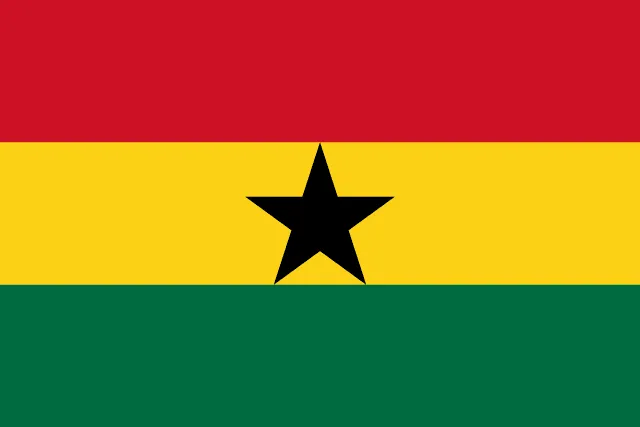 Ghana runs one national gaming regulator, so the licence question is cleaner here than in most of West Africa.
Launching an online casino in Ghana in 2026 means one regulator, one licence route, and one flat tax you cannot design around: you incorporate a Ghanaian company, apply to the Gaming Commission of Ghana, and pay 20% on gross gaming revenue. That is the headline difference from Nigeria next door, where regulation fractured into a state-by-state patchwork. Ghana kept a single national authority under a 2006 law, and the last two years turned less on the licence rules than on a tax fight, as the government introduced and then partly reversed a set of gambling levies. Below is the operator’s read on what is legal, who licenses you, what it costs, and where the risk sits.
Key facts (verify before you commit)
- One national regulator. The Gaming Commission of Ghana (GCG), sitting under the Ministry of the Interior, licenses and supervises gaming under the Gaming Act 2006 (Act 721). There is no state-by-state layer to navigate.
- A local company is required. You incorporate in Ghana under the Companies Act 2019, keep a real registered presence, and register foreign capital with the Ghana Investment Promotion Centre (GIPC). This is not a market you serve compliantly from a shell abroad.
- The 20% GGR tax is in force; the winnings tax is gone. Operators pay 20% on gross gaming revenue. The separate 10% withholding tax on player winnings was repealed with effect from 2 April 2025.
- Currency is the Cedi (GHS); Mobile Money dominates deposits. MTN Mobile Money (MoMo), Telecel Cash and AirtelTigo Money carry most transactions, and the e-levy on electronic transfers was scrapped in 2025.
This is editorial guidance, not legal advice; confirm current rules with the regulator and a licensed gaming lawyer.
Is online gambling legal in Ghana?
Yes. Gambling is legal and licensed in Ghana under a single national framework, and online play sits inside it rather than in a grey zone. The Gaming Act 2006 (Act 721) governs casinos, sports betting, route operations (gaming machines), promotional and marketing games, and remote or interactive gaming. Sports betting is the mainstream product, with strong local brands and deep mobile volumes, and online casino games are licensed as their own category.
The Act predates the smartphone era and does not spell out “online casino” in so many words, but the Commission reads it to cover remote and mobile gaming and licenses operators to run land-based and online platforms under that authority. The practical point is that you are not relying on a loophole: there is a lawful onshore path, and the state expects you to take it. If you are weighing Ghana against its neighbours, see our companion pieces on Nigeria and Kenya, where the regulatory shape differs.
The Gaming Commission of Ghana and licence types
The Gaming Commission of Ghana is your single point of contact, and it issues licences by product category rather than as one catch-all permit. Established under Act 721 and reporting to the Ministry of the Interior, the Gaming Commission of Ghana regulates, monitors and supervises games of chance across the country. Its categories in practice cover casino operations, sports betting (retail and online), route operations, promotional games, and remote interactive gaming, plus ancillary and business-to-business services.
One trend defines the current regime: the Commission has leaned into compliance rather than prohibition. From 2025 it moved to require biometric verification on gaming transactions across digital betting platforms, online casinos and land-based shops, which raises your KYC bill but also legitimises the market you are entering. For how licence choice shapes an operator’s build, start with our licensing guide.
How operators launch (local company + licence)
The Ghanaian route is onshore by design: you form a local company, meet a residency and investment threshold, and apply to the GCG. Unlike markets where an offshore Curaçao or Anjouan licence plus local payments is quietly tolerated, Ghana expects the licence holder to be a company incorporated in Ghana under the Companies Act 2019 (Act 992), with a registered office, a resident director or senior representative who holds real operational authority, and foreign capital registered through the GIPC. Reporting suggests the framework also looks for meaningful local shareholding, which you should confirm as a live requirement rather than assume.
That is the single biggest difference between Ghana and the offshore-plus-local-payments model common elsewhere in the region. It costs more and takes longer, but it buys a defensible domestic footing: local banking, local payment agreements, and protection against the enforcement and payment cut-off risks that hang over grey-market operators. Some sites do accept Ghanaian traffic on a foreign licence, and if you are weighing those regimes our breakdowns of the Curaçao casino licence and the Anjouan casino licence lay out the trade-offs, as does Curaçao vs MGA. For a serious Ghana launch, plan for onshore; our guide to how to launch an online casino walks the full sequence.
What licence you need and requirements
Match the licence category to your product, then build the corporate and technical file the Commission will ask for. Slots, live dealer and table games need the casino or online gaming authorisation; a sportsbook needs the betting category; and a platform serving other operators falls under the business-to-business heading. Many operators launch casino and sportsbook together, which means aligning two categories from the start.
Expect the application file to include:
- A Ghanaian company incorporated under Act 992, with registered office and resident presence.
- Fit-and-proper vetting of directors and key persons, with proof of source of funds and financial standing.
- Foreign investment registration with the GIPC, plus any minimum capital the category carries. Figures reported for the sports-betting category run around US$500,000 in foreign capital, or roughly US$200,000 where a Ghanaian partner invests alongside you, but treat those as numbers to confirm, not fixed law.
- Technical and game certification, responsible-gambling controls, and the biometric KYC the Commission has pushed since 2025.
Because categories, thresholds and fees are revised periodically, get a current requirements list and fee schedule directly from the GCG before you model anything.
Cost and the disputed betting taxes
Budget in two buckets, and read Ghana’s tax line carefully, because it swung hard between 2023 and 2025. The first bucket is the platform. A white-label launch is the fastest and cheapest way in, typically low-to-mid five figures in USD to start, while turnkey and custom builds cost more. Our white-label casino cost breakdown has current ranges, and once you have a target gross gaming revenue and a cost base, run it through the break-even calculator. The second bucket is licensing and market entry: GCG licence and application fees, incorporation, GIPC registration, and any category capital. Fees vary by category and get revised, so confirm the schedule with the regulator directly.
The tax story is the part that catches operators out. In 2023 Ghana introduced two new levies at once: a 10% withholding tax on player winnings and a 20% tax on operators’ gross gaming revenue. The winnings tax drew heavy public backlash, and after a change of government it was repealed with effect from 2 April 2025. The 20% GGR tax, by contrast, stayed. So the operator-side burden did not go away; only the player-facing deduction did. Model your tax line on the assumption that 20% of gross gaming revenue leaves before your own costs, and confirm the current position with a Ghanaian tax adviser.
Payments and localisation (Mobile Money)
Payments decide retention in Ghana, and the rails are mobile-money-first, not card-first. The Cedi (GHS) is the operating currency, and the bulk of deposits and withdrawals move through Mobile Money: MTN Mobile Money (MoMo) is dominant, with Telecel Cash and AirtelTigo Money alongside it, and cards a secondary rail. A card-only checkout will badly underperform.
One recent change works in your favour. The e-levy, a tax on electronic transfers that touched mobile-money payments, was scrapped in 2025 and replaced by VAT charged only on the providers’ service fees, not on the transfer amount. That cut friction on the exact rails your players use to fund an account. Localise beyond the currency: MoMo logos at checkout, fast withdrawals benchmarked against sportsbook payout speeds, English support on local hours, and a game mix weighted toward what Ghanaian players actually deposit on. Slow cash-out is the fastest way to lose them.
Taxes and ongoing obligations
Once live, your recurring obligations are led by the 20% GGR tax and a compliance regime that has tightened, not loosened. The GGR tax is filed and paid to the Ghana Revenue Authority on gross gaming revenue, and for licensed gaming income it broadly stands in place of ordinary corporate income tax rather than adding on top, though you should confirm that interaction for your structure with a local adviser. The 10% winnings withholding is no longer deducted from players following its 2025 repeal.
Beyond tax, plan for annual licence renewal with the GCG, biometric KYC and AML controls, responsible-gambling tools and reporting, and ongoing corporate compliance for the local entity. The VAT now charged on mobile-money service fees is a cost-of-doing-business line rather than a gaming tax, but it belongs in your payment-cost model. Keep a calendar of filing dates; the Commission has shown it will suspend or decline to renew licences for operators that fall short.
Risks and red flags ⚠️
- ⚠️ Policy whiplash. The 2023-to-2025 tax reversals show how fast the fiscal terms move. Do not assume today’s 20% GGR rate, or the absence of a winnings tax, is permanent.
- ⚠️ “Just serve them from offshore” thinking. Ghana’s framework points to onshore incorporation. Accepting Ghanaian players purely on a foreign licence is legally thin and exposes you to enforcement and payment risk.
- ⚠️ GGR is taxed on gross, not net. A 20% levy on gross gaming revenue punishes high-bonus, thin-margin models. Stress-test your promotional spend against it before launch.
- ⚠️ Shifting fees and thresholds. Capital requirements and licence fees are revised periodically and reported inconsistently online. Confirm every figure with the GCG in writing.
- ⚠️ Payment concentration. Heavy reliance on MoMo, and on MTN in particular, means one provider’s policy change can disrupt deposits. Integrate more than one wallet.
Best platforms for the Ghanaian market
For a sportsbook-led, mobile-money market with a real onshore licensing process, prioritise providers with African footprint, sportsbook depth and hands-on regulatory support. These four fit that profile.
- BetConstruct brings one of the deepest sportsbooks in the market and existing Africa exposure, which suits Ghana’s betting-first player base and a casino-plus-sportsbook build.
- Digitain pairs a strong in-house trading desk with online and retail experience across African markets, a fit if you want both online and shop-based reach.
- Slotegrator is a fast, flexible integrator well suited to emerging markets and quicker launches on a leaner budget.
- SoftGamings operates across multiple jurisdictions and offers hands-on licensing assistance, useful while you work through Ghana’s onshore requirements.
Weigh sportsbook depth, Mobile Money integration and licensing support against your budget in the full comparison, and see our methodology for how these providers are scored.
Frequently asked questions
Is online casino legal in Ghana in 2026?
Yes. Gambling is legal and licensed nationally under the Gaming Act 2006 (Act 721), and the Gaming Commission of Ghana licenses casinos, sports betting and remote or interactive gaming. The Act predates online play but has been interpreted to cover it, and operators run online platforms under that authority.
Who regulates online gambling in Ghana?
The Gaming Commission of Ghana (GCG), which sits under the Ministry of the Interior. It is a single national regulator, with no state-by-state layer on top. It issues licences by product category and has tightened compliance, including a move to biometric verification on gaming transactions from 2025.
Do I need a local company to get a Ghana gaming licence?
In practice, yes. Ghana’s framework points to a company incorporated locally under the Companies Act 2019, with a registered office, a resident representative who holds real authority, and foreign capital registered through the GIPC. Plan for onshore incorporation and local counsel.
What taxes apply to online casino operators in Ghana?
The headline is a 20% tax on gross gaming revenue, in force in 2026 and paid to the Ghana Revenue Authority. The separate 10% withholding tax on player winnings, introduced in 2023, was repealed with effect from 2 April 2025. Confirm the current position and how it interacts with corporate tax with a Ghanaian adviser.
What payment methods should a Ghana casino support?
Mobile Money first. MTN Mobile Money (MoMo) is dominant, with Telecel Cash and AirtelTigo Money alongside it, plus cards as a secondary rail. Settle in Cedi (GHS), keep withdrawals fast, and integrate more than one wallet. The e-levy on transfers was scrapped in 2025, lowering friction on these rails.
How much does it cost to launch in Ghana?
Budget two buckets: the platform and the licensing plus market entry. White-label platforms start in the low-to-mid five figures in USD; turnkey and custom cost more. GCG licence fees, incorporation, GIPC registration and any category capital sit on top, and fees are revised periodically, so confirm the current schedule with the regulator and model it in the break-even calculator.
Related
- Licensing guide
- How to launch an online casino
- White-label casino cost
- Break-even calculator
- Curaçao casino licence
- Anjouan casino licence
- Curaçao vs MGA
- Launch a casino in Nigeria
- Launch a casino in Kenya
- Provider comparison
- Methodology
This is editorial guidance, not legal advice; confirm current rules with the regulator and a licensed gaming lawyer.